
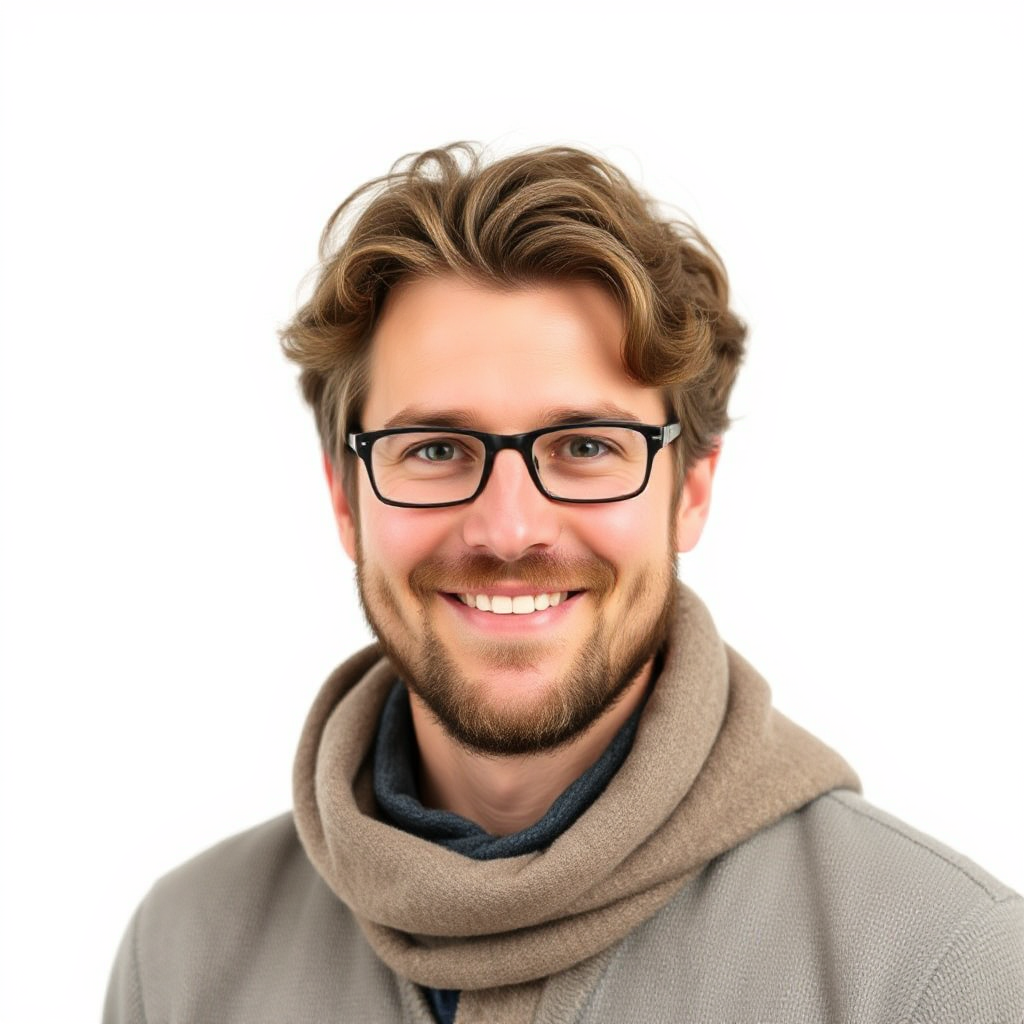

Donald Trump is the "exclusive figure who can compel" Russian leader Vladimir Putin to participate in peace talks about the conflict in Ukraine, the Finnish president has asserted.
Alexander Stubb also mentioned that Finland would under no circumstances recognize annexed Crimea as territory belonging to Russia, and that he sought to secure Ukraine evolved into an EU and ideally NATO member after the war ended.
Prior to Ukrainian President Volodymyr Zelensky's engagement with Trump at the White House on Friday, during which he stated to the US president: "I believe we can conclude this war with your assistance."
Meanwhile, Trump announced that Putin has agreed to meet face-to-face with him in Hungary.
Peace Efforts and Financial Sanctions
The US president stated on Friday that Putin "seeks to get it ended. I believe that President Zelensky wants to get it resolved. Now we have to get it done".
Zelensky stated at the White House that Ukraine was prepared to talk in whichever format and sought peace, but argued that Putin needed to be "forced" into concluding the war.
Stubb disclosed that Trump had previously asked him - during a game of golf - whether he could rely on Putin; and Stubb's response was no.
"What is needed is not mainly the influence of the incentive to convince Russia to the discussions, it's instead the coercion that will bring them.
"So you have to compel Russia to come to the discussions for peace and that's the arrangement President Trump is seeking to create."
Economic Pressure and Tactical Factors
Stubb was hopeful about Trump's capacity, stating he was convinced peace discussions had likely progressed more in the last eight months during Trump's current administration than in the previous three years.
Russia took control of the Crimean peninsula in 2014 and began a full-scale attack of Ukraine in 2022.
Stubb stressed that Finland would not ever acknowledge Crimea, or the territories of Donetsk or Luhansk, as belonging to Russia. Russia occupies 70% of Donetsk and nearly all of bordering Luhansk.
He stated "the sole parties who can decide on the land question are the Ukrainians directly".
"I want to guarantee that Ukraine, when this war is concluded, retains its autonomy, retains its independence - in other words evolves into an EU member country and ideally a NATO member - and also maintains its territorial integrity. That is what we are all striving for at present," Stubb stated.
Financial Difficulties and Prospective Prospects
Stubb observed that Russia's financial status - smaller than Italy's - was struggling, with the country's resources depleted, growth "almost around zero", and inflation raised to between 10% and 20%.
Stubb recommended economic threats should be used to bring Russia to the table, especially giving €200bn worth of blocked Russian resources to Ukraine as a advance that would stay there if Russia did not pay damages after peace discussions.
He further sought to see shipments of Russian oil and gas to Europe - which have decreased by 80% - cut off. Restrictions could be put on countries that acquire Russian oil and gas, he commented, in combined with the current European measures directed toward Russia.
Tactical Evaluation and Peace Process
Stubb stated "every one of the strategic moves of Putin have been an utter setback". Russia had been unsuccessful in seeking to take over Ukraine, to divide Europe and to separate NATO, with two new members - Finland and Sweden - added rather.
He commented Europe's "coalition of the ready" was ready to offer security guarantees to Ukraine, with the crucial help in the air, on the maritime areas and with reconnaissance.
But they required a safety net from the US, specifically in anti-air systems, information gathering and military activities, he added.
Stubb stated he hoped to see some outcomes from a dual-stage peace initiative - the initial a ceasefire to prevent the loss of life and the following an prolonged peace procedure - "in the near future".
"We will persist in addressing it. The key is to engage and attempt to discover resolutions and be pragmatic. In international relations you consistently have to deal with the world as it is, not what you would desire it to be, but let's do peace."


